Uganda’s Kibale National Park is one of East Africa’s best-known chimpanzee trekking destinations. Most visitors begin at the Kanyanchu Visitor Centre, where rangers sort trekkers into small groups. The Kibale chimpanzee trekking cost for 2026 becomes easier to plan once you separate the permit from the rest of the trip. Permit fees are set by the Uganda Wildlife Authority and change from time to time, so confirm the current tariff before you book. This breakdown compares standard trekking and habituation, then covers the other costs you need to plan around.
What Is the Kibale Chimpanzee Trekking Cost in 2026?
The Uganda Wildlife Authority charges separate fees for standard chimpanzee trekking and chimpanzee habituation, and habituation costs more than the standard trek. Fees also differ by visitor category: foreign non-resident, foreign resident, and East African citizen. A complete trip costs more than the permit alone, because the permit does not cover accommodation, transport, meals, park logistics, or tips.
The Uganda Wildlife Authority reviews its tariffs from time to time, and figures published on travel sites are not always current. Rather than quote a specific dollar amount that may be out of date by the time you read this, use the table below as a guide. It shows how the two permit types differ in structure, not in exact price.
| Feature | Standard chimpanzee trekking | Chimpanzee habituation |
|---|---|---|
| Typical length | Half day, usually finished by early afternoon | Full day, most of the daylight hours |
| Viewing time | Up to one hour once the group is located | Several hours spread across the day |
| Visitor categories | Foreign non-resident, foreign resident, East African citizen, each priced differently | Same three categories, each priced differently |
| Relative cost | The lower of the two permit fees | Priced above standard trekking |
| Best suited to | First-time trekkers and tighter schedules | Photographers, researchers, and repeat visitors |
If you see a specific dollar figure for either permit quoted elsewhere online, treat it as unconfirmed. Ask your operator or the Uganda Wildlife Authority to verify it for your exact travel dates. Tariffs have changed before and can change again.
What Does the Kibale Chimpanzee Trekking Permit Include?
The standard permit covers the chimpanzee tracking activity, ranger guidance, and up to one hour observing a habituated chimpanzee community. It does not include your lodge, transfers to Kibale, meals, porter services, drinks, or gratuities. Treks depart from the Kanyanchu Visitor Centre and usually last about two to five hours overall.
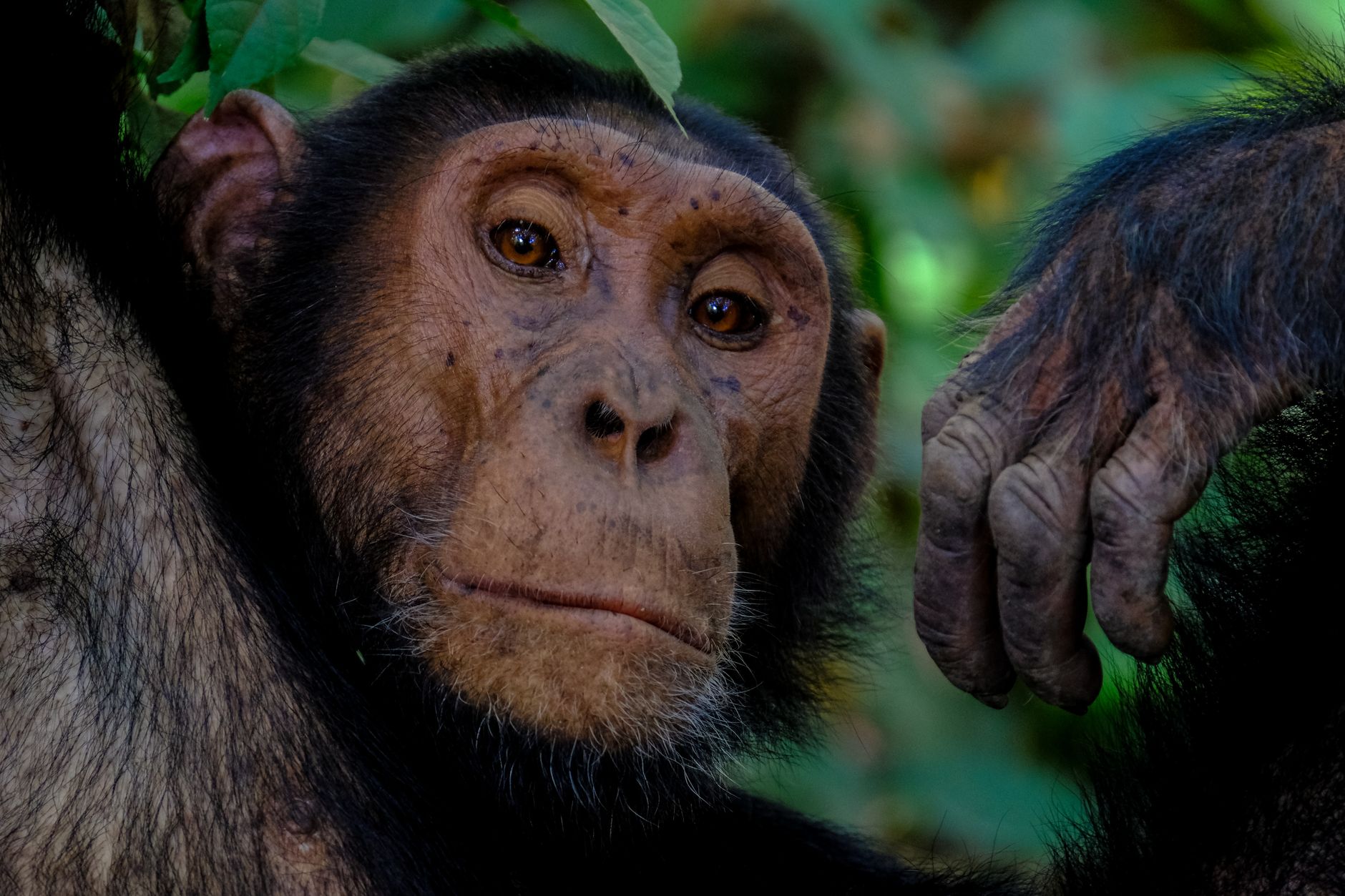
That one hour of observing chimpanzees is the core of the experience, but the full outing is longer. Trekkers gather for a briefing, walk through moist forest, and may search for a moving group before the official viewing window begins. Once rangers confirm the chimps are settled, the group stays for up to sixty minutes. The time limit protects the wildlife. For photographers, the hour is intense, but you are not guaranteed a perfect sighting.
Standard Trek or Chimpanzee Habituation: Which Should You Pick?
Standard tracking is a shorter ranger-led experience with a habituated community and one enforced hour of viewing. Habituation is a full-day activity with a less-habituated community and substantially more time in the forest. Habituation is priced higher than standard tracking. The exact gap depends on the current tariff, so ask your operator to confirm both fees together.
Habituation is not a VIP version of the same trek. You spend much of the day with researchers and rangers as they help chimpanzees grow more comfortable with human presence. There may be long quiet periods while the animals feed or rest. That realism is exactly why many wildlife enthusiasts prefer it. You may see nesting, grooming, feeding, and social interactions that rarely fit into one standard hour. If you want behavior rather than just a sighting, the extra time and fee buy that. If your schedule is tight, standard tracking still delivers a strong encounter for less.
What Other Costs Belong in Your Kibale Safari Budget?
The permit is only one part of the budget. Add transport from Entebbe, Kampala, or another Ugandan park, two or more nights of accommodation, meals, drinks, guide or driver costs, and tips. A quote should clearly separate the permit from these services, because accommodation, transport, and logistics are excluded from the permit price.
Accommodation is often the largest variable. Options range from guesthouses outside the park to forest lodges with guided walks. The route matters too. If you begin in Kenya, you can fly from Nairobi to Entebbe and drive inland, or cross the border by road through western Kenya. Both options cost time as well as money. A Uganda loop that includes Kibale, Queen Elizabeth, and Bwindi also adds road days. For another major primate permit comparison, see our Volcanoes gorilla trekking cost page. If you are still deciding between gorilla forests, compare Bwindi versus Volcanoes permit costs before finalizing a route.
How Many Days Do You Need in Kibale National Park?
Plan at least two nights in or near Kibale for one chimpanzee trek, allowing a full day for arrival and another for the activity. Three nights provide a safer schedule if driving from Kampala or Entebbe, and allow time for Bigodi Wetland Community tours or additional forest activities.
Two nights can work if you arrive early and your operator handles the transfer. Three nights is more comfortable for most travelers. It gives you a buffer if rain, roadworks, or a delayed vehicle changes your plan. If you want to combine chimpanzees with gorillas, treat the road segments as real travel days. Kibale is not next to Bwindi, and the route between them takes time. Combining a Uganda primate circuit with a Kenyan savanna safari is possible, but it needs more days. For a Kenya baseline, our Kenya safari cost page can help you weigh a pure Kenya trip against a combined itinerary.
When Is the Cheapest Time to Trek Chimpanzees in Kibale?
There is no publicly documented seasonal discount structure for chimpanzee permits in Kibale, so do not assume tracking is cheaper in the wet season. What does change with season is comfort and crowding, not necessarily the permit fee. Wet months can offer quieter trails and lush forest, but rain may make walking harder and chimpanzees more difficult to follow.
Uganda’s main drier windows, roughly December to February and June to August, usually line up with easier walking and higher demand. If you are drawn to the wetter months for lower crowds, ask your operator directly whether any seasonal pricing currently applies. Promotions do sometimes appear but are not guaranteed. A lower permit fee, if one applies on your dates, does not guarantee a cheaper room. Lodge prices may stay high in holiday weeks regardless of permit season. Chimpanzees can be tracked in light rain, but heavy downpours make trails slippery and can make the chimps harder to locate.
How Should You Book and Compare Kibale Safari Packages?
Book the permit before confirming your final itinerary, especially for peak travel dates. Ask the operator to state the tariff year, visitor category, permit type, transport, lodge, meals, and cancellation terms. Prices are set by the relevant authority rather than negotiated. The tariff applying to your tracking date may differ from the rate quoted when you first enquire.
Permits can be arranged directly or through a tour operator. If you use an operator, ask for a written cost breakdown. It should name the permit, the lodge, the transfer, and the meals in separate lines. That step matters more than comparing single headline prices. When you receive quotes, use our compare safari operator quotes guide. The same checklist applies even when the operator works mainly in Uganda.
Is Kibale Chimpanzee Trekking Worth the Cost?
Kibale is worth considering for travelers who value close primate encounters and want a dedicated chimpanzee experience rather than a general wildlife drive. Standard tracking offers roughly one hour with a habituated community, while habituation costs more but provides substantially longer observation time.
The verdict depends on your goal. Choose standard tracking if you want a reliable chimpanzee encounter, a reasonable budget, and a shorter forest walk. Choose habituation if you want to understand chimp behavior, need more photography time, and can handle a full day on the trail. For many travelers, the standard trek is the right balance. For repeat visitors and serious wildlife watchers, the longer habituation day is often the better investment.
Confirm the current permit fees for your dates directly with the Uganda Wildlife Authority or your operator. Then browse packages from FindMySafari, Valley Safaris, and Trunktrails Safaris to compare operators side by side. The best deal is rarely the lowest headline number. It is the quote that makes the permit, the lodge, and the road time transparent. You can also start planning directly with us at touringinsights.com.
Where Can You Find More Safari Planning Resources?
- Kenya safari packages from SafariPure
- Ol Pejeta Conservancy guide from Trunktrails Safaris
- Nairobi to Maasai Mara route guide from Valley Safaris
- Compare Kenya safari packages on FindMySafari